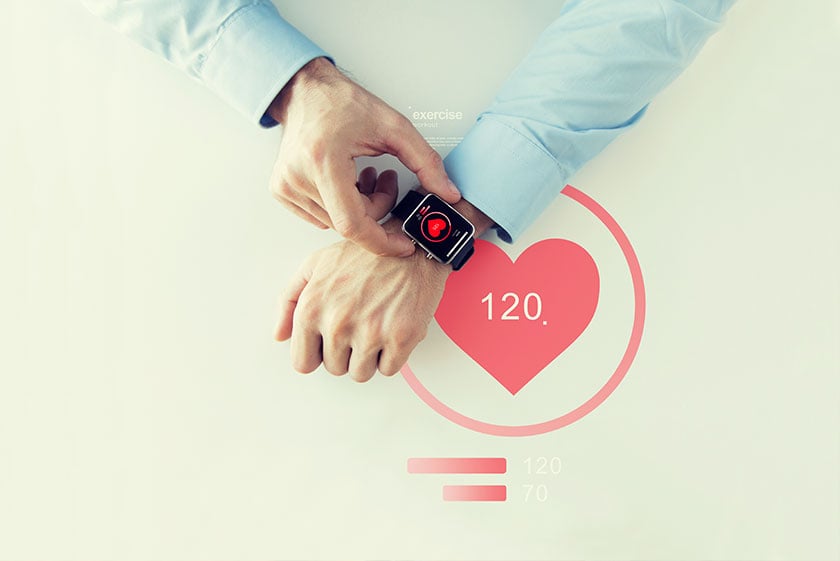
Technology has become ubiquitous, something we cannot live without. The internet age has indeed heralded the golden era of medicine with the advent of wearable technology. That’s right – something that can easily be worn or is portable. This has helped with medical emergencies, proactive care and has improved the quality of life of many. There is a world of wearable technology out there to improve your health and fitness and which also supports independent living. Let’s take a look at some of them!
Wireless EKG Monitor
These kinds of devices are usually worn on the wrist in the form of watches or bands. It’s excellent for monitoring vascular abnormalities in people who have long-term heart conditions, a history of heart attacks, genetic predisposition, and more.
Blood Pressure Monitor
A blood pressure monitor is typically worn on the upper arm. It is perhaps even more accurate than the hand pump typically seen in clinics and hospitals. The devices usually alert a medical practitioner and caregiver if the blood pressure becomes too high or low.
Transcutaneous Electrical Nerve Stimulation (TENS) Device
Arthritis and chronic pain are some common health problems that people contend with. The TENS device comes in the form of electrical pads that can be placed on various body locations that hurt. They are ideal for people who wish to avoid excessively medicating themselves.
Continuous Glucose Monitoring (CGM) Device
Monitoring glucose is part and parcel of a diabetic person’s life. It’s traditionally done with a home blood sugar testing kit, but a CGM device offers monitoring 24/7. This makes it a hassle-free process especially since it can be paired to smartwatches.
Transcranial Direct Current Stimulation (TDCS) Device
Depression and other mental health conditions pose a health risk for a large population of Americans. Although medication and psychotherapy are common, they don’t always work. The TDCS can be used without prescription for this brain condition by delivering electrical stimulation to targeted areas. They also aid in general mood improvement.
GPS Tracker
GPS trackers seem common, and it may not be clear how it’s wearable but when GPS trackers are embedded in shoe inserts, they can ease the minds of the loved ones of those who have memory issues. This is common in Alzheimer’s disease and other forms of dementia.
Pulse Oximeter
Asthma and respiratory issues may be common for you or your loved ones and there are a few devices that help monitor oxygen intake and volume. One of them is the pulse oximeter – easily attached to one’s fingertip – to measure the amount of oxygen that is carried in the blood.
Braille And Tactile Smartwatch
Vision impairment is common in people of all ages. Braille is especially useful for those with severe vision impairment and now they come in the form of braille watches that can be used as a keyboard.
Hearables
Hearables, or hear wearables, consist of hearing aids and other auditory devices that help improve one’s auditory input. They are personalized and even connect to phones for a seamless experience.